Stories
Stories
Nobody Knows
Nobody Knows
Nobody Knows
Why confidence is not the same as accuracy in an industry being reshaped by AI.
Why confidence is not the same as accuracy in an industry being reshaped by AI.
There is a phrase circulating in design circles right now. It sounds like wisdom. It goes something like: own the strategy, and you will survive whatever comes next. For a while, I wanted it to be true. But lately, when I hear it, I think: who exactly is certain right now?
Figma was not a cautionary tale about a bad product. It was a cultural institution. An entire generation of designers grew up inside it. Then AI arrived and even Figma started looking for its own path. The IPO stumbled. The roadmap blurred. Kodak invented the digital camera in 1975. Their own engineers, quietly, internally. They put it in a drawer because they were afraid it would destroy their film business. They knew something was coming. They just did not know what to do with knowing.
When spinning machines arrived in England in the 1770s, handloom weavers adapted. Cheaper yarn meant more weaving work. The first wave created new jobs. Then came the power loom and this time there was nowhere to go. Earnings fell by half in five years, and nobody warned them it was coming.
Junior designers cannot find work. Seniors are doing more because AI allows it. The entry points that existed five years ago are closing. Nobody planned this and nobody predicted the shape of it, including the people building the tools, and almost no one is saying this out loud.
Every company, regardless of industry, is becoming AI-native. Not always because it makes sense. Not always because the people inside want it. But because the alternative is to look like you are not paying attention. Founders tell this to investors. Investors need to hear it. Shareholders need to believe it. The public story holds while something else happens behind closed doors.
ChatGPT reached 100 million users in two months. The steam engine took a century to spread. We are compressing fifty years of disruption into a single decade. The people offering frameworks for this are working with the same information as everyone else, and that information is not enough.
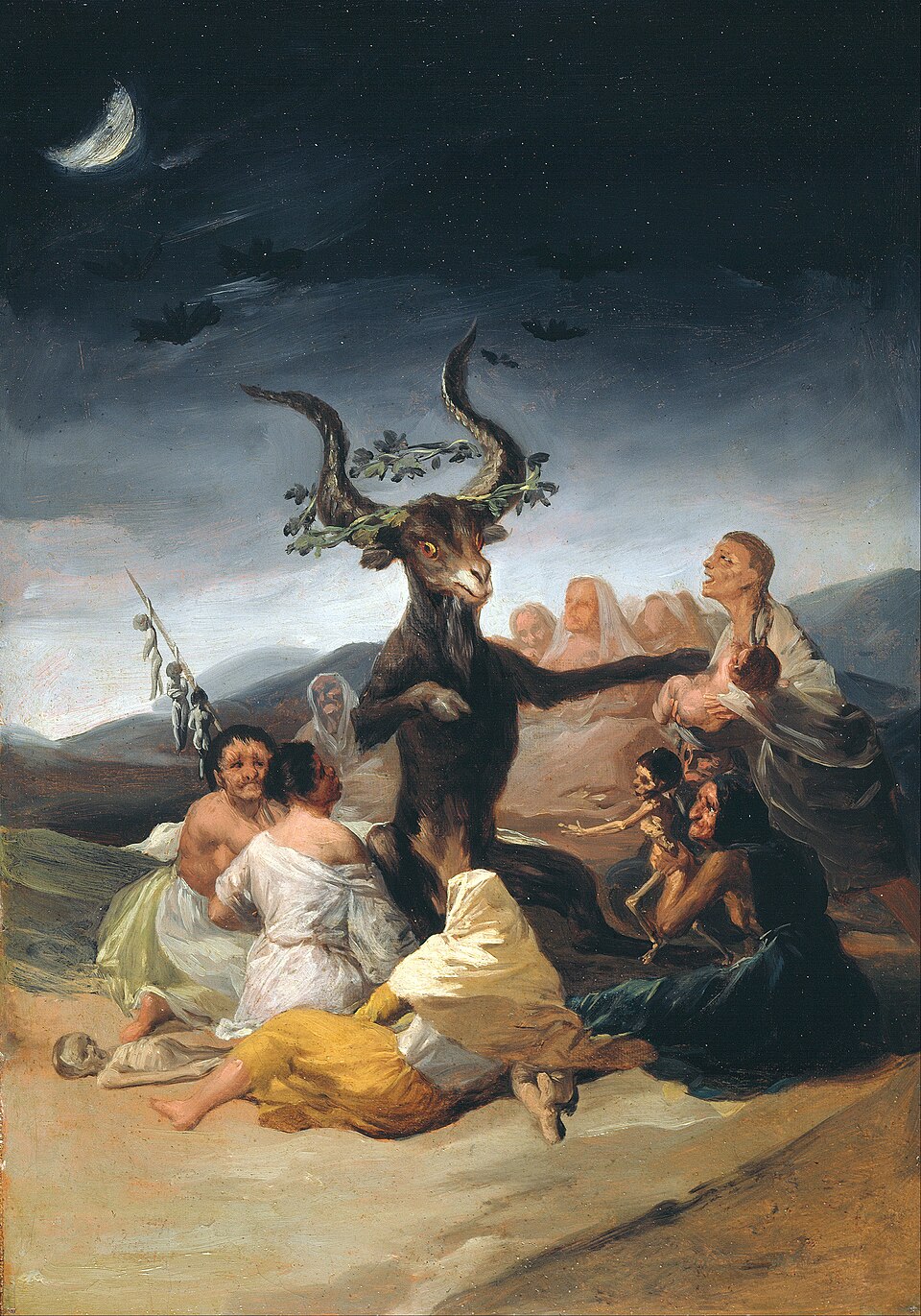
The honest position right now is that the map does not exist yet. When things move this fast, the instinct is to reach for the nearest confident answer. Not because it is right, but because uncertainty is uncomfortable to sit with for long. That instinct is human and completely understandable. But confidence is not the same as accuracy. And mistaking one for the other is expensive.
Projects still need completing. Founders still need to build. But there is a difference between moving forward without a map and pretending you have one, the first is just work, the second is a performance that eventually costs something.
The most useful thing anyone can offer right now is not a survival guide. It is the willingness to stay in the question longer than feels comfortable, to not reach for the first framework that sounds plausible, to admit that nobody has been down this road before.
There is a phrase circulating in design circles right now. It sounds like wisdom. It goes something like: own the strategy, and you will survive whatever comes next. For a while, I wanted it to be true. But lately, when I hear it, I think: who exactly is certain right now?
Figma was not a cautionary tale about a bad product. It was a cultural institution. An entire generation of designers grew up inside it. Then AI arrived and even Figma started looking for its own path. The IPO stumbled. The roadmap blurred. Kodak invented the digital camera in 1975. Their own engineers, quietly, internally. They put it in a drawer because they were afraid it would destroy their film business. They knew something was coming. They just did not know what to do with knowing.
When spinning machines arrived in England in the 1770s, handloom weavers adapted. Cheaper yarn meant more weaving work. The first wave created new jobs. Then came the power loom and this time there was nowhere to go. Earnings fell by half in five years, and nobody warned them it was coming.
Junior designers cannot find work. Seniors are doing more because AI allows it. The entry points that existed five years ago are closing. Nobody planned this and nobody predicted the shape of it, including the people building the tools, and almost no one is saying this out loud.
Every company, regardless of industry, is becoming AI-native. Not always because it makes sense. Not always because the people inside want it. But because the alternative is to look like you are not paying attention. Founders tell this to investors. Investors need to hear it. Shareholders need to believe it. The public story holds while something else happens behind closed doors.
ChatGPT reached 100 million users in two months. The steam engine took a century to spread. We are compressing fifty years of disruption into a single decade. The people offering frameworks for this are working with the same information as everyone else, and that information is not enough.
The honest position right now is that the map does not exist yet. When things move this fast, the instinct is to reach for the nearest confident answer. Not because it is right, but because uncertainty is uncomfortable to sit with for long. That instinct is human and completely understandable. But confidence is not the same as accuracy. And mistaking one for the other is expensive.
Projects still need completing. Founders still need to build. But there is a difference between moving forward without a map and pretending you have one, the first is just work, the second is a performance that eventually costs something.
The most useful thing anyone can offer right now is not a survival guide. It is the willingness to stay in the question longer than feels comfortable, to not reach for the first framework that sounds plausible, to admit that nobody has been down this road before.
There is a phrase circulating in design circles right now. It sounds like wisdom. It goes something like: own the strategy, and you will survive whatever comes next. For a while, I wanted it to be true. But lately, when I hear it, I think: who exactly is certain right now?
Figma was not a cautionary tale about a bad product. It was a cultural institution. An entire generation of designers grew up inside it. Then AI arrived and even Figma started looking for its own path. The IPO stumbled. The roadmap blurred. Kodak invented the digital camera in 1975. Their own engineers, quietly, internally. They put it in a drawer because they were afraid it would destroy their film business. They knew something was coming. They just did not know what to do with knowing.
When spinning machines arrived in England in the 1770s, handloom weavers adapted. Cheaper yarn meant more weaving work. The first wave created new jobs. Then came the power loom and this time there was nowhere to go. Earnings fell by half in five years, and nobody warned them it was coming.
Junior designers cannot find work. Seniors are doing more because AI allows it. The entry points that existed five years ago are closing. Nobody planned this and nobody predicted the shape of it, including the people building the tools, and almost no one is saying this out loud.
Every company, regardless of industry, is becoming AI-native. Not always because it makes sense. Not always because the people inside want it. But because the alternative is to look like you are not paying attention. Founders tell this to investors. Investors need to hear it. Shareholders need to believe it. The public story holds while something else happens behind closed doors.
ChatGPT reached 100 million users in two months. The steam engine took a century to spread. We are compressing fifty years of disruption into a single decade. The people offering frameworks for this are working with the same information as everyone else, and that information is not enough.
The honest position right now is that the map does not exist yet. When things move this fast, the instinct is to reach for the nearest confident answer. Not because it is right, but because uncertainty is uncomfortable to sit with for long. That instinct is human and completely understandable. But confidence is not the same as accuracy. And mistaking one for the other is expensive.
Projects still need completing. Founders still need to build. But there is a difference between moving forward without a map and pretending you have one, the first is just work, the second is a performance that eventually costs something.
The most useful thing anyone can offer right now is not a survival guide. It is the willingness to stay in the question longer than feels comfortable, to not reach for the first framework that sounds plausible, to admit that nobody has been down this road before.

" height="420.7060844560808px" id="vAF1GXtUa" width="1614.4210925226776px"/></svg>)